I look at the wall and write the estimate
I started this business in Wellington in 2020, and I still come out myself to walk the wall with you and answer your questions. The estimate says what we'll do and why, so you're not guessing at the work.
Cracks along the mortar lines or joints crumbling away? We find out why they formed, then repoint only what needs it so your wall holds up.
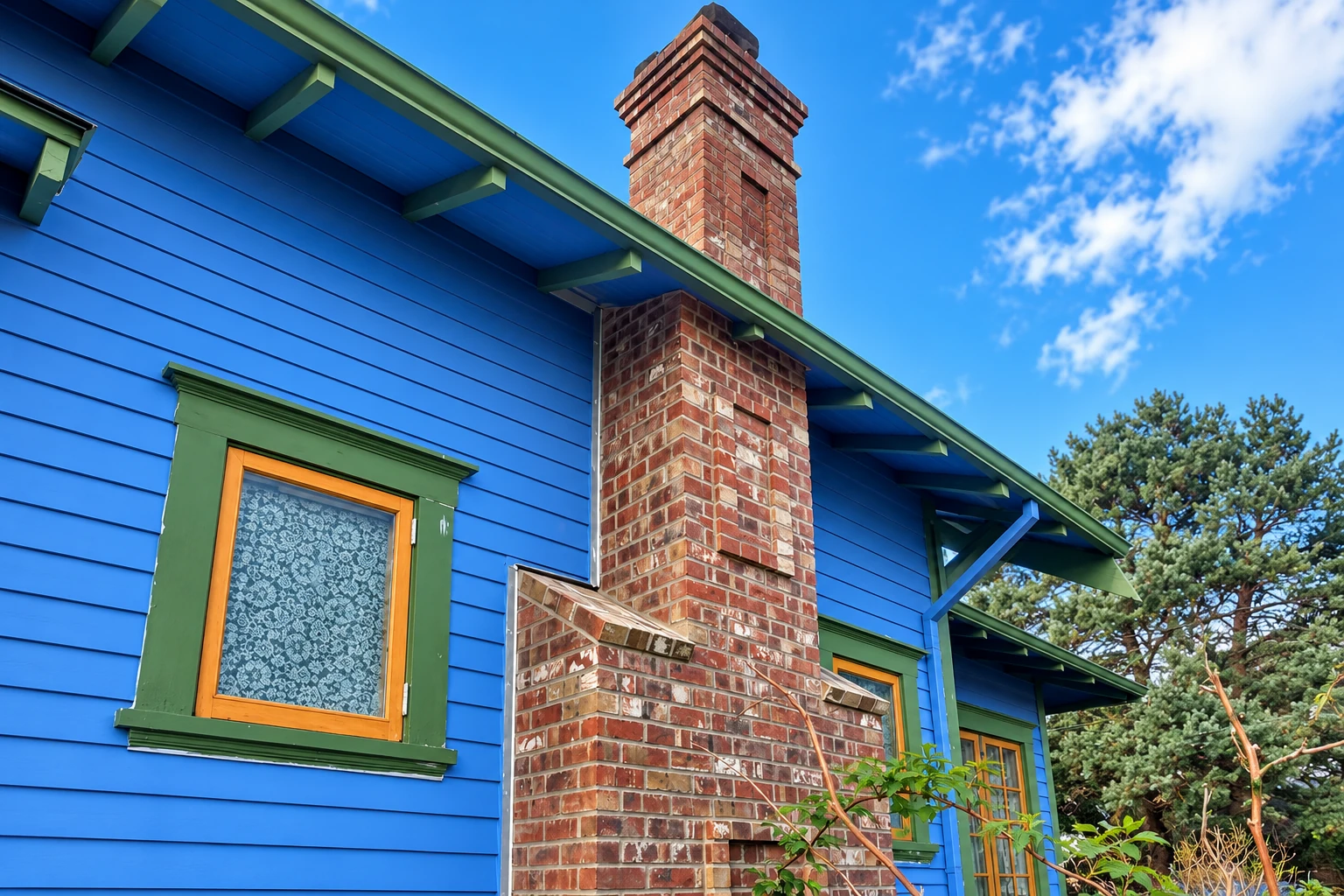
Masonry restoration in Wellington usually comes down to repointing. We cut the worn mortar out of your wall's joints, pack in new mortar and replace any brick or block that's too far gone, so the wall is solid and the joints are tight again.
You may hear repointing called tuck pointing, and it's the same job. Most calls start with a crack along the mortar lines, joints that crumble when you rub them or a damp spot on an inside wall, and I'd rather you understand what's behind it before you pay anyone to touch it.
The price mostly turns on how much of the wall needs new joints, how deep the old mortar has worn, how many bricks or blocks need replacing and how easy the wall is to reach. The schedule depends on what the cracks tell us, since a wall that looks like it's moving needs a closer look before any repair, and on whether the job needs a permit. The estimate I write you spells out what we'll do and why.
Here's who you'll deal with from the first visit to the finished wall, so nothing about the job is a surprise.
I started this business in Wellington in 2020, and I still come out myself to walk the wall with you and answer your questions. The estimate says what we'll do and why, so you're not guessing at the work.
Palm Beach County requires the contractors working here to be certified and insured. We're licensed and insured, and you're welcome to ask about it at the estimate.
Once you say yes, our crew does the repair. I keep you posted on what's next, so you're not left wondering when we'll be back.
Before we repair a crack, I want to work out why it formed, because a crack patched without knowing the cause often just comes back. Once we know, we cut out and repoint only the joints that need it and replace the bricks or blocks that can't be saved. If it looks like the foundation is moving, I'll tell you before any work starts, since that's a job for foundation repair and not new mortar.
Restoration often runs into other work on the same house. If a fireplace is cracked past saving or you've been thinking about a new one, that's fireplace installation, and if you'd like a stone face on a wall that's sound underneath, that's stone veneer installation.
This is the order the work follows on your wall, and why each step comes where it does.
We mark where each crack runs and whether it stays in the mortar or goes through the block, because that tells us if it's a joint repair or something bigger. We look at any earlier fixes too, since an old patch that failed often points to the cause.
On a wall that will stay uncoated, the new joints should match the old ones in color and texture. When nobody knows what the original mortar was, industry guidance has trial mixes set in test joints for at least a week before the match is settled, so that wait comes before the main work.
Our crew rakes the worn mortar out of the joints that need it and packs in the new mortar. Sound joints stay as they are, because there's no reason to disturb mortar that's still doing its job.
Industry guidance has cleaning start on a small spot out of sight, to show the method won't harm the wall before it's used everywhere. When we're done, I walk the finished wall with you so you can see what was done.
Send us a few photos showing where the cracks are and whether they've widened, or call (561) 268-0510. We respond within one business day, and I come out to look at the wall and write you a free estimate. There's no pressure to book.
(561) 268-0510Often it can, if the cracks aren't widespread, stay mostly in the mortar joints and aren't getting wider. Cracks from uneven support under the foundation are different, and industry guidance calls them highly complicated and suggests getting a qualified design professional's advice. If your wall shows that kind of cracking, plan for that advice before any repair starts.
Mortar that keeps moisture from moving out of the wall and drying off can damage the bricks or blocks themselves. That makes the mix part of protecting your wall, not a detail. Ask any contractor which mix they plan to use, and I'll tell you ours at the estimate.
Most often it gets in where the mortar meets the block, which is why worn joints matter so much. Cracks from the building moving and gaps where masonry meets other parts of the house, such as around windows, are common spots too, and we check those when we look at your wall.
Whether your repair needs a permit is a question for Wellington's Building division, which issues building permits and processes them electronically. County guidance says only homeowners and qualified contractors can pull permits. When a job calls for one, we apply for it and set up the inspections, and we'll go over it with you at the estimate.
Wellington's Building division enforces architectural and property maintenance standards along with the building codes, so a repair here has to look right as well as hold up. That's one more reason the joint match we talked about matters on a wall people see.
We're based in Wellington and work in many of the cities around it, including West Palm Beach, Royal Palm Beach and The Acreage. Most calls are homeowners who've spotted a crack in a garden wall, a block wall or the side of the house, and the job goes the same way wherever you are. We find the cause, then fix what needs it.
A small crack that's holding steady is usually the simpler repair, so call (561) 268-0510 or use our contact form while it's still small.
If you're not sure what a crack in your wall means, call and I'll talk it through with you.
Tell us about your project